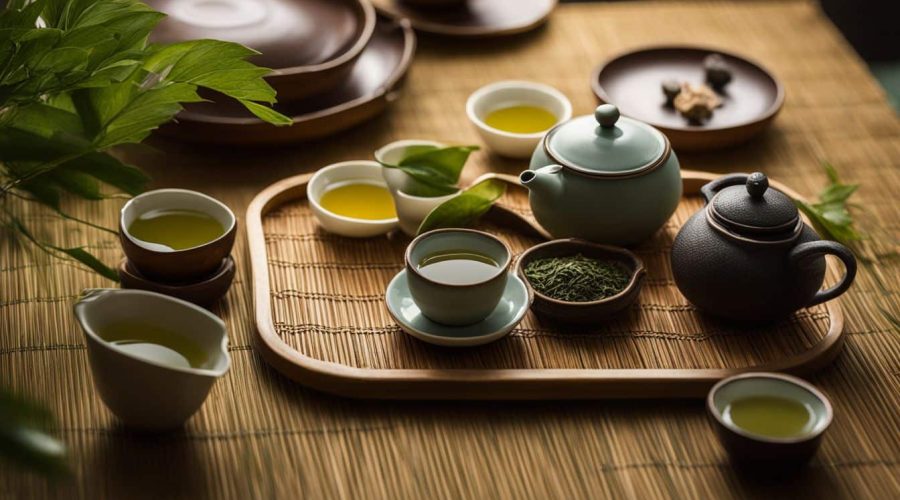
Korean tea culture represents a timeless tradition where nature, mindfulness, and craftsmanship come together in harmony. Within this heritage, Korean tea plays a central role in daily life, spiritual practice, and social gatherings. From ancient dynasties to modern wellness culture, tea in Korea has always symbolized purity, respect, and balance. Each cup reflects a long history of agricultural wisdom and philosophical thought shaped by centuries of cultural development.
What is the historical background of Korean tea?
The history of Korean tea dates back over a thousand years when tea was first introduced through cultural exchanges with neighboring regions. Initially, it was consumed by Buddhist monks and royal families who valued its calming and meditative qualities. During the Goryeo and Joseon dynasties, tea became an important part of court rituals and scholarly life. However, its popularity declined during certain historical periods before experiencing a revival in modern times. Today, Korean tea culture is recognized as an important cultural heritage that continues to influence contemporary lifestyle practices.
What types of Korean tea are traditionally enjoyed?
Korea offers a wide range of traditional teas that reflect its natural environment and seasonal rhythms. Green tea remains one of the most respected varieties, known for its fresh and delicate flavor. Barley tea, or bori-cha, is commonly served in homes and restaurants and is enjoyed both hot and cold. Omija tea, made from magnolia berries, provides a unique combination of five distinct flavors. Yujacha, a citrus-based tea, is especially popular during winter for its soothing warmth. These teas showcase the diversity of Korean ingredients and the cultural importance of seasonal drinking habits.
How is Korean tea traditionally prepared and served?
Traditional Korean ceramics guide preparation emphasizes simplicity, patience, and respect for natural ingredients. Water temperature, steeping time, and teaware selection are carefully considered to ensure the best flavor. Tea is often brewed in small quantities to allow multiple infusions, each revealing subtle changes in taste. Serving tea is also an act of hospitality, where the host shows care and respect for guests. The process is not rushed; instead, it encourages mindfulness and appreciation of the present moment.
What role does tea ceremony play in Korean culture?
The Korean tea ceremony, known as Darye, is an essential expression of cultural identity and mindfulness. It is not overly formal but focuses on natural flow, simplicity, and harmony. Participants engage in quiet reflection while preparing and sharing tea, creating a peaceful atmosphere. The ceremony reflects values influenced by Buddhism and Confucianism, such as humility and respect. In modern times, Darye is practiced in cultural centers and wellness programs as a way to reconnect with tradition and reduce stress.
Why is Korean tea important in modern life?
In today’s fast-paced world, Korean tea continues to hold significance as a symbol of wellness and balance. Many people drink tea daily for relaxation, health benefits, and mental clarity. It serves as a natural alternative to processed beverages and supports mindful living. Additionally, global interest in traditional cultures has helped Korean tea gain international recognition. It is now appreciated not only for its taste but also for its cultural depth and calming influence.
Korean tea remains a living tradition that bridges past and present, offering both cultural richness and personal well-being. Its flavors, rituals, and philosophies reflect a deep connection between people and nature. Whether enjoyed in a traditional ceremony or as a simple daily drink, guide to Korean tea ceremonycontinues to inspire mindfulness and appreciation for life’s quieter moments.