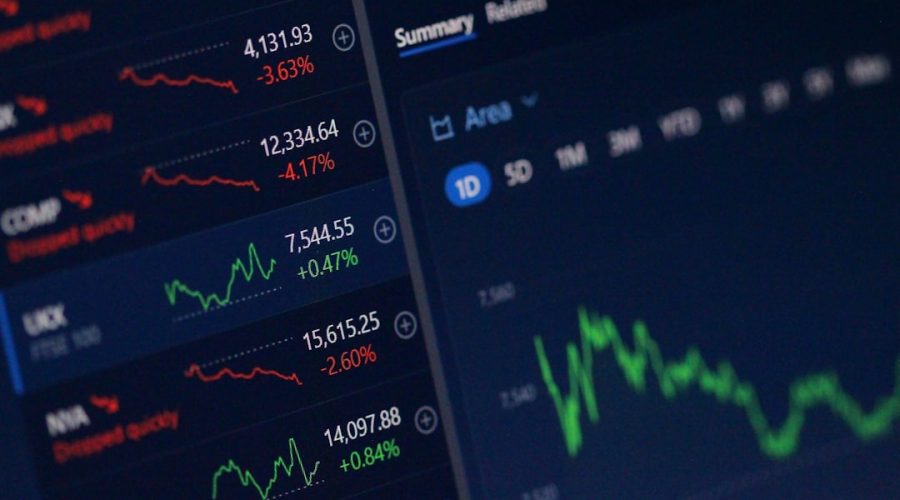
The difference between a productive trading session and a frustrating one often has less to do with market conditions and more to do with preparation. Traders who invest time in configuring their platform thoughtfully enter each session with a clear mental map of what they are looking for. For those building this habit from the ground up, understanding how to optimize forex trading mt4 chart settings provides a meaningful and immediate advantage.
Table of Contents
- What Chart Settings Have the Greatest Impact on Trading Clarity?
- How do timeframe selections shape a trader’s overall market perspective?
- Why does scale matter when reading candlestick patterns?
- What effect does the chart period separator have on readability?
- How Should Indicators Be Configured to Avoid Signal Overload?
- What is the risk of using too many indicators on a single chart?
- How should a trader decide which indicators to include in their layout?
- What indicator settings should be customized beyond their defaults?
- How Can Traders Use MT4 Alerts to Reduce Unnecessary Screen Time?
- What types of alerts does MT4 support and how should they be used?
- The Foundation of a Reliable Trading Environment
What Chart Settings Have the Greatest Impact on Trading Clarity?
How do timeframe selections shape a trader’s overall market perspective?
Timeframe selection is one of the most consequential chart decisions a trader makes. Higher timeframes provide context—they reveal the dominant trend and major support and resistance zones. Lower timeframes provide precision—they show entry timing and short-term momentum. A layout that includes both prevents traders from entering positions that appear favorable on a short timeframe but conflict with the broader trend.
Why does scale matter when reading candlestick patterns?
Scale settings determine how candlestick patterns appear visually. A chart scaled too tightly compresses price action and makes patterns difficult to read. A chart scaled too loosely spreads price out in a way that distorts the significance of individual candles. Finding a scale that allows natural pattern formation to emerge without distortion is a skill that develops with time and intentional observation.
What effect does the chart period separator have on readability?
The period separator, which draws a vertical line at the start of each new trading session or day, adds a meaningful layer of context to any chart. Identifying where sessions begin and end helps traders recognize session-based patterns, liquidity shifts, and key opening moves. Enabling this setting is a straightforward adjustment with lasting analytical value.
How Should Indicators Be Configured to Avoid Signal Overload?
What is the risk of using too many indicators on a single chart?
Signal overload occurs when multiple indicators generate conflicting information simultaneously. Rather than providing confirmation, a crowded indicator setup creates confusion and increases hesitation. Traders in this situation often delay entries beyond optimal timing or skip valid setups entirely due to contradictory signals.
How should a trader decide which indicators to include in their layout?
Each indicator on a chart should answer a specific question. A moving average might answer “what is the current trend direction?” A momentum oscillator might answer “is momentum increasing or declining?” If two indicators answer the same question, one of them is redundant. Removing redundancy creates a cleaner, more decisive chart environment.
What indicator settings should be customized beyond their defaults?
Default indicator settings are designed for general use, not for any specific strategy. Period lengths, signal thresholds, and color assignments should all be reviewed and adjusted to reflect how an indicator is being used within a particular approach. A trader using a moving average for trend identification on a daily chart may require very different settings than one using the same indicator for entry timing on a lower timeframe.
How Can Traders Use MT4 Alerts to Reduce Unnecessary Screen Time?
What types of alerts does MT4 support and how should they be used?
MT4 supports price-based and indicator-based alerts. Price alerts notify a trader when an instrument reaches a specified level, removing the need to monitor the chart continuously. Indicator alerts can signal when a specific condition is met, such as a crossover or a threshold breach. Used strategically, alerts allow traders to step away from the screen without missing key market developments.
The Foundation of a Reliable Trading Environment
Consistency in trading begins with consistency in environment. Charts configured with intention, indicators selected with purpose, and alerts set with precision all contribute to a workspace that supports rather than disrupts the trading process. These settings require an initial investment of time, but that time returns in the form of clearer thinking and more deliberate decision-making across every session that follows.
What You Need to Know
- Preparing mentally by configuring the trading platform enhances clarity and effectiveness during trading sessions.
- Higher timeframes offer context regarding dominant trends and major support and resistance zones, while lower timeframes provide precision for entry timing.
- The scale settings of a chart significantly impact how candlestick patterns are perceived and understood.
- Overloading a chart with multiple indicators can lead to confusion and hesitation, making it harder for traders to make timely decisions.
- Each indicator included on a chart should answer a specific trading question to minimize redundancy and maintain clarity.
- MT4 supports price-based and indicator-based alerts, allowing traders to monitor key market developments without constant screen time.